What today’s shipping reality means for cargo
Over the last decade, we’ve lived through significant economic disruption – from Brexit and COVID 19 to the cost of living crisis and the war in Ukraine.
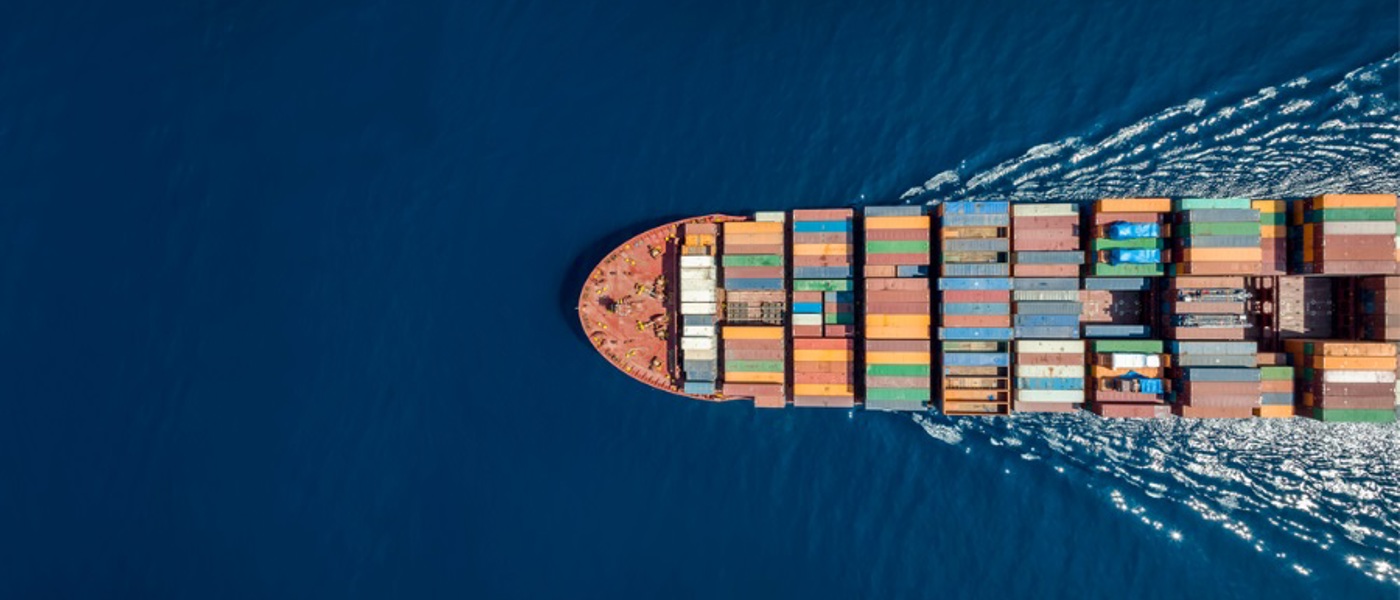
Over the last decade, we’ve lived through significant economic disruption – from Brexit and COVID‑19 to the cost‑of‑living crisis and the war in Ukraine. More recently, renewed geopolitical tensions in the Middle East and shifting US foreign policy have added further uncertainty for UK businesses. At Geo, we asked our experts to explore the impact that tensions are having on global shipping routes and what it means for UK cargo businesses.
The impact on shipping routes
As it stands, disruption to global shipping routes through the Middle East continues to ripple across international supply chains. Despite much of the attention being focused on energy and oil movements, the more immediate impact for UK cargo interests is increasingly being felt closer to home.
For UK importers, logistics providers and their insurers, the challenge is not a single dramatic event, but a gradual shift in how cargo moves and the length in which it remains exposed.
Longer exposure across extended routes
Due to ships avoiding the Red Sea and Suez Canal, many Asia–Europe services are now facing longer sea routes. For UK‑bound cargo, diversions around the Cape of Good Hope are now a regular feature of trade rather than an exception.
These longer voyages prolong the period that cargo is exposed to increased levels of vibration, humidity and temperature fluctuation. While this would rarely result in a single large loss, it does increase the likelihood of smaller, attritional claims linked to factors such as deterioration or packaging fatigue.
Disruption across the board
Due to global routing disruption, schedules can quickly fall apart and arrival times can vary significantly. Industry and logistics reporting indicates that this disruption is often absorbed downstream, rather than dissipating evenly across supply chains.
While cargo may previously have moved swiftly between ports, it’s now often held for longer periods while awaiting clearance, transport availability or onward bookings.
In practical terms, this means transit risk can extend into static storage exposure. As a result, goods may be held, out of necessity, in locations never intended for prolonged storage. These extended timeframes and slower processing can materially alter the risk profile of the cargo.
Exposure for temperature-controlled goods
When it comes to temperature‑controlled cargo, constant monitoring and a reliable power supply are essential. This makes these goods among the most exposed in the current environment. If a voyage is extended, the likelihood of spoilage or quality deterioration can increase by the hour.
But what does this mean for insurance? While delay itself remains excluded under most cargo policies, the physical consequences of delay are often covered.
For UK portfolios with exposure to pharmaceuticals, food ingredients, chemicals or specialist agricultural products, even modest disruption can potentially result in disproportionate loss.
Increased risk when handling machinery
For machinery and equipment imports, delays may lead to early discharge, temporary storage or additional handling while cargo awaits onward movement. With each additional lift or relocation the possibility of physical damage increases, particularly when using congested ports and storage facilities.
The growth of accumulation risk
Cargo that’s insured as transit can remain static for longer periods due to this aforementioned global congestion and schedule unreliability. These ongoing delays may result in large amounts of insured cargo being held in the same places at once, increasing exposure.
This isn’t because more goods are being traded, but because they’re sitting around for longer. In these conditions, policy limits that were once a safety net become something that need active attention, to make sure the cover still fits the real level of risk.
The impact of rising fuel costs
Higher marine fuel and jet fuel costs add further complexity. Rising energy prices linked to regional disruption have fed through into bunker costs, freight rates and air cargo pricing, reducing the viability of air freight as a contingency option.
As a result, shippers are more likely to accept slower routes, longer consolidations or extended storage periods. While these decisions make sense commercially, they can extend the duration and fragmentation of cargo exposure, particularly where goods are stored pending onward movement or replacement.
Managing risk in a changing environment
The current shipping environment is defined less by headline‑grabbing losses and more by gradual, cumulative change. Longer voyages, extended storage, increased handling and rising accumulation are reshaping cargo exposure in ways that may not yet be fully reflected in historical data.
How Geo can help
In a market characterised by ongoing adjustment rather than sudden shocks, early engagement can be invaluable. Where there is uncertainty around how cover may respond – particularly in relation to extended transit, temporary storage, temperature‑sensitive cargo or accumulation limits – technical discussion ahead of a loss, or during policy placement, can make a meaningful difference.
Get in touch
If you or your clients would like support, technical insight or simply a conversation around managing cargo risk in the current shipping environment, our team at Geo would be very happy to help. Just get in touch on marinetradeteam@geounderwriting.com.